Lithium-Ion Battery Fire Risks in London: What Landlords and Building Managers Need to Know

E-bike and e-scooter fires are now London's fastest-growing fire risk. Here's what the figures show, and the practical steps every responsible person should be taking.

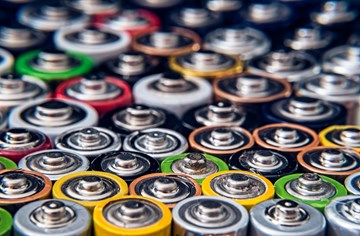
E-bikes and e-scooters are everywhere in London. They're quick, cheap to run and a greener way to get around the city. But the lithium-ion batteries that power them have become one of the most serious fire risks in the capital's homes, flats and shared buildings.

If you own, manage or are responsible for a residential or commercial building in London, this is a risk you can't afford to ignore.

The scale of the problem

The London Fire Brigade (LFB) recorded 206 e-bike and e-scooter fires in 2025, the highest annual total on record. That's 171 e-bike fires and 35 e-scooter fires, an average of around 17 a month. Two people died in these fires last year, bringing the number of deaths in London from e-bike and e-scooter fires to five since 2023.

The wider picture is just as stark. According to analysis by the London Assembly, LFB attended 521 fires involving lithium batteries in 2025, and 44% of them were linked to e-bikes. The Assembly describes lithium battery fires as the fastest-growing fire risk in London.

London's firefighters are now attending an e-bike or e-scooter fire, on average, every other day. And 2026 has brought no let-up, with incidents reported across the capital in boroughs including Islington, Ealing, Lewisham, Lambeth and Harrow.

Why these fires are so dangerous

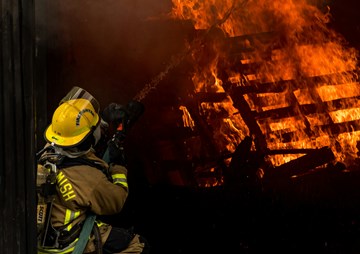
Lithium-ion battery fires are not like ordinary fires. When a battery fails, it can go into what's called thermal runaway: the cells overheat, rupture and release flammable, toxic gases. The result can be:

  • Extremely fast fire growth, often with little or no warning
  • Explosive, jet-like flames that can spread across a room in seconds
  • Thick, toxic smoke that can quickly make an escape route impassable
  • Re-ignition, even after the fire appears to be out

That speed is what makes them so deadly. Many of these fires start while a battery is charging, often at night or when no one is watching, and frequently in a hallway or by the front door, which is exactly where people need to escape.

What's causing them?

The LFB has said that many of the fires are caused by faulty or poorly built products, often bought online or second-hand. The most common risk factors include:

  • Cheap or unbranded batteries and chargers bought from online marketplaces
  • Conversion kits used to turn ordinary bikes into e-bikes
  • Wrong or incompatible chargers, especially where several bikes and chargers are kept in one property
  • Damaged batteries that have been dropped, knocked or exposed to water
  • Charging overnight or while out, or in escape routes and communal areas

What's changing in the law

The Product Regulation and Metrology Act 2025 gives the Government new powers to tighten product safety rules, including for lithium-ion batteries and for products sold through online marketplaces. In April 2026 the Government launched consultations on how those powers will be used, with a specific focus on lithium-ion battery risks. The LFB has repeatedly pressed for that secondary legislation to be brought in as quickly as possible.

Until those rules are in force, unsafe products will continue to find their way into London's homes. That puts the responsibility firmly on landlords, managing agents and building owners to manage the risk in their own buildings.

What this means for landlords and responsible persons

Under the Regulatory Reform (Fire Safety) Order 2005, the responsible person for any building with common parts, including blocks of flats, HMOs and commercial premises, must carry out a suitable and sufficient fire risk assessment and keep it under review.

With e-bike and e-scooter fires now so common, lithium-ion batteries should be considered as part of that assessment, especially in buildings where residents or staff are likely to store or charge them.

Here are the practical steps we recommend:

1. Review your fire risk assessment. Make sure it considers e-bikes, e-scooters and lithium-ion batteries specifically. If your assessment is more than a year old, or the way your building is used has changed, it's time for a review.

2. Keep escape routes clear. E-bikes and e-scooters should never be stored or charged in communal hallways, stairwells or by exits. A fire there can trap everyone above it.

3. Set clear house rules. Put a written policy in place covering where e-bikes and e-scooters can be stored and charged, and share it with every tenant or resident. Include it in tenancy agreements or building rules where you can.

4. Provide safe storage if possible. Secure, well-ventilated external storage, away from the building's escape routes, dramatically reduces the risk inside.

5. Check your fire detection. Make sure smoke alarms or the building's detection system are working, properly maintained and suitable for the risk, including in areas where charging is likely to happen.

6. Talk to your residents. Most people simply don't realise the risk. A short, clear notice or letter explaining how to charge safely can make a real difference.

Safe charging advice to share with tenants

The LFB's #ChargeSafe campaign recommends the following:

  • Buy from reputable retailers and avoid unbranded batteries, chargers or conversion kits.
  • Only use the charger that came with the product, or a genuine replacement from the manufacturer.
  • Don't charge overnight or while you're out. Unplug once fully charged.
  • Never charge or store e-bikes or e-scooters on your escape route, such as a hallway or by the front door.
  • Check batteries regularly for damage, swelling, leaks or unusual heat, and stop using them if you spot any.
  • Make sure you have working smoke alarms, and test them regularly.
  • If a battery catches fire, get out, stay out and call 999. Do not try to put it out yourself.

How Whale Fire can help

At Whale Fire, we carry out fire risk assessments across London for landlords, managing agents, HMOs, blocks of flats and commercial premises. With around 20 years' experience assessing buildings, we take a practical, common-sense approach, focusing on the real risks in your building, including lithium-ion batteries, and giving you clear, achievable actions to put things right.

We are NSI accredited, an Associate Member of the Institute of Fire Safety Managers (AIFSM) and listed on the National Fire Risk Assessor Register (NFRAR).

If you're not sure whether your fire risk assessment covers e-bikes and e-scooters properly, get in touch with Whale Fire today to book an assessment.

Extinguish the Risk.

Sources

Lithium-Ion Battery Fire Risks in London: What Landlords and Building Managers Need to Know

E-bike and e-scooter fires are now London's fastest-growing fire risk. Here's what the figures show, and the practical steps every responsible person should be taking.

E-bikes and e-scooters are everywhere in London. They're quick, cheap to run and a greener way to get around the city. But the lithium-ion batteries that power them have become one of the most serious fire risks in the capital's homes, flats and shared buildings.

If you own, manage or are responsible for a residential or commercial building in London, this is a risk you can't afford to ignore.

The scale of the problem

The London Fire Brigade (LFB) recorded 206 e-bike and e-scooter fires in 2025, the highest annual total on record. That's 171 e-bike fires and 35 e-scooter fires, an average of around 17 a month. Two people died in these fires last year, bringing the number of deaths in London from e-bike and e-scooter fires to five since 2023.

The wider picture is just as stark. According to analysis by the London Assembly, LFB attended 521 fires involving lithium batteries in 2025, and 44% of them were linked to e-bikes. The Assembly describes lithium battery fires as the fastest-growing fire risk in London.

London's firefighters are now attending an e-bike or e-scooter fire, on average, every other day. And 2026 has brought no let-up, with incidents reported across the capital in boroughs including Islington, Ealing, Lewisham, Lambeth and Harrow.

Why these fires are so dangerous

Lithium-ion battery fires are not like ordinary fires. When a battery fails, it can go into what's called thermal runaway: the cells overheat, rupture and release flammable, toxic gases. The result can be:

  • Extremely fast fire growth, often with little or no warning
  • Explosive, jet-like flames that can spread across a room in seconds
  • Thick, toxic smoke that can quickly make an escape route impassable
  • Re-ignition, even after the fire appears to be out

That speed is what makes them so deadly. Many of these fires start while a battery is charging, often at night or when no one is watching, and frequently in a hallway or by the front door, which is exactly where people need to escape.

What's causing them?

The LFB has said that many of the fires are caused by faulty or poorly built products, often bought online or second-hand. The most common risk factors include:

  • Cheap or unbranded batteries and chargers bought from online marketplaces
  • Conversion kits used to turn ordinary bikes into e-bikes
  • Wrong or incompatible chargers, especially where several bikes and chargers are kept in one property
  • Damaged batteries that have been dropped, knocked or exposed to water
  • Charging overnight or while out, or in escape routes and communal areas

What's changing in the law

The Product Regulation and Metrology Act 2025 gives the Government new powers to tighten product safety rules, including for lithium-ion batteries and for products sold through online marketplaces. In April 2026 the Government launched consultations on how those powers will be used, with a specific focus on lithium-ion battery risks. The LFB has repeatedly pressed for that secondary legislation to be brought in as quickly as possible.

Until those rules are in force, unsafe products will continue to find their way into London's homes. That puts the responsibility firmly on landlords, managing agents and building owners to manage the risk in their own buildings.

What this means for landlords and responsible persons

Under the Regulatory Reform (Fire Safety) Order 2005, the responsible person for any building with common parts, including blocks of flats, HMOs and commercial premises, must carry out a suitable and sufficient fire risk assessment and keep it under review.

With e-bike and e-scooter fires now so common, lithium-ion batteries should be considered as part of that assessment, especially in buildings where residents or staff are likely to store or charge them.

Here are the practical steps we recommend:

1. Review your fire risk assessment. Make sure it considers e-bikes, e-scooters and lithium-ion batteries specifically. If your assessment is more than a year old, or the way your building is used has changed, it's time for a review.

2. Keep escape routes clear. E-bikes and e-scooters should never be stored or charged in communal hallways, stairwells or by exits. A fire there can trap everyone above it.

3. Set clear house rules. Put a written policy in place covering where e-bikes and e-scooters can be stored and charged, and share it with every tenant or resident. Include it in tenancy agreements or building rules where you can.

4. Provide safe storage if possible. Secure, well-ventilated external storage, away from the building's escape routes, dramatically reduces the risk inside.

5. Check your fire detection. Make sure smoke alarms or the building's detection system are working, properly maintained and suitable for the risk, including in areas where charging is likely to happen.

6. Talk to your residents. Most people simply don't realise the risk. A short, clear notice or letter explaining how to charge safely can make a real difference.

Safe charging advice to share with tenants

The LFB's #ChargeSafe campaign recommends the following:

  • Buy from reputable retailers and avoid unbranded batteries, chargers or conversion kits.
  • Only use the charger that came with the product, or a genuine replacement from the manufacturer.
  • Don't charge overnight or while you're out. Unplug once fully charged.
  • Never charge or store e-bikes or e-scooters on your escape route, such as a hallway or by the front door.
  • Check batteries regularly for damage, swelling, leaks or unusual heat, and stop using them if you spot any.
  • Make sure you have working smoke alarms, and test them regularly.
  • If a battery catches fire, get out, stay out and call 999. Do not try to put it out yourself.

How Whale Fire can help

At Whale Fire, we carry out fire risk assessments across London for landlords, managing agents, HMOs, blocks of flats and commercial premises. With around 20 years' experience assessing buildings, we take a practical, common-sense approach, focusing on the real risks in your building, including lithium-ion batteries, and giving you clear, achievable actions to put things right.

We are NSI accredited, an Associate Member of the Institute of Fire Safety Managers (AIFSM) and listed on the National Fire Risk Assessor Register (NFRAR).

If you're not sure whether your fire risk assessment covers e-bikes and e-scooters properly, get in touch with Whale Fire today to book an assessment.

Extinguish the Risk.

Sources

Keeping London Safe: Why Fire Risk Assessments Matter More Than Ever

London is one of the busiest, most densely built cities in the world. Offices, shops, restaurants, blocks of flats, HMOs, schools and warehouses sit side by side, often in older buildings that have been converted, extended and re-used many times over. That mix is part of what makes the capital special. It also makes fire safety a serious responsibility for every business owner, landlord and managing agent.

A professional fire risk assessment is the foundation of that responsibility. Here's why it matters, what the law says, and how Whale Fire can help keep your London building and the people in it safe.

Fire in London: the numbers

London Fire Brigade attended 19,542 fire incidents in 2025. They were spread across the capital but were most concentrated in Inner London, with particular hotspots in Westminster, Newham and Tower Hamlets.

One risk is growing faster than any other. There were 521 fire incidents involving lithium-ion batteries in London in 2025, a rise of 28 per cent on the year before. In those fires, 109 people were injured and three people died. E-bikes and e-scooters alone accounted for 206 fires, the highest yearly total on record, and the Brigade says many were caused by faulty or poorly made products bought online or second-hand.

At the same time, London Fire Brigade's first-pump attendance time has risen every year since 2020. Firefighters do an outstanding job, but the best fire is the one that never starts, and the best-protected building is one where risks have been spotted and dealt with before an emergency.

What the law requires

If you own, manage or control a non-domestic building in London, including the common parts of blocks of flats and HMOs, you are likely to be the "Responsible Person" under the Regulatory Reform (Fire Safety) Order 2005. That means you must make sure a suitable and sufficient fire risk assessment is carried out and kept under review.

The rules were tightened on 1 October 2023, when Section 156 of the Building Safety Act 2022 came into force as part of the reforms that followed Grenfell. Since then:

  • Every fire risk assessment must be recorded in full. Previously, a written assessment was only required in certain situations, such as where five or more people were employed. Now it applies regardless of the size or type of business.
  • Your fire safety arrangements must be written down, showing how fire safety is managed on an ongoing basis.
  • If you use a fire risk assessor, you must record their name and, where relevant, their organisation.
  • Responsible Persons must cooperate and share information. In shared or multi-occupied buildings, you must take reasonable steps to find out who else has duties for the premises, and share relevant fire safety information with them.
  • Residents must be told about the risks identified in the assessment and the fire safety measures in place to protect them.

The Government has also legislated that anyone appointed to carry out or review a fire risk assessment must be competent. That makes choosing the right assessor more important than ever.

Why London buildings need extra care

Every building is different, but London premises often bring particular challenges:

  • Older and converted buildings, where alterations over the years may have compromised fire doors, compartmentation and escape routes.
  • Mixed-use premises, such as shops with flats above, where several Responsible Persons must work together.
  • HMOs and blocks of flats, where residents may store or charge e-bikes and e-scooters in hallways or bedrooms.
  • Busy commercial spaces, such as restaurants, hotels and offices, with high occupancy and many people who don't know the building.
  • Basements and narrow stairways, common in central London, which can make escape and firefighting harder.

A thorough, on-site fire risk assessment picks up these issues and gives you clear, practical actions to deal with them.

What a Whale Fire assessment includes

At Whale Fire, our approach is common-sense, pragmatic and client-friendly. We don't sell or install fire safety equipment, so our advice is independent: we're there to assess risk, not to sell you products.

A typical assessment covers:

  1. A full site inspection of your premises, including escape routes, fire doors, compartmentation, alarms, emergency lighting and signage.
  2. Identification of fire hazards, from electrical equipment and lithium-ion batteries to storage, waste and sources of ignition.
  3. Who is at risk, including staff, visitors, residents and anyone who may need extra help to escape.
  4. A clear written report, recorded in full to meet Section 156 requirements, with prioritised, practical recommendations.
  5. Advice on ongoing management, including review dates, training and record keeping.

Why choose Whale Fire

  • Around 20 years' experience assessing buildings of all types.
  • NSI accredited, an Associate Member of the Institute of Fire Safety Managers (AIFSM), and listed on the National Fire Risk Assessor Register (NFRAR).
  • Independent advice, because we only carry out fire risk assessments and health and safety assessments.
  • Reports you can actually use, written in plain English with actions in a clear order of priority.
  • A London base at 86–90 Paul Street, EC2A 4NE.

Book your London fire risk assessment

Whether your assessment is overdue, your building has changed, or you simply want peace of mind that you're meeting your legal duties, we can help.

Contact Whale Fire today to arrange a fire risk assessment for your London premises.

Whale Fire: Extinguish the Risk.

Sources

  • London Assembly Research Unit: London Fire Brigade data analysis (March 2026)
  • London Fire Brigade: record number of e-bike and e-scooter fires across London in 2025 (January 2026)
  • Fire Industry Association: record rise in e-bike and e-scooter fires across London (January 2026)
  • GOV.UK: Fire safety responsibilities under Section 156 of the Building Safety Act 2022
  • Fire and rescue service guidance on Section 156 (Devon & Somerset, Merseyside, North Yorkshire, Northamptonshire)

Over 1,400 London Buildings Not Safe to "Stay Put": What Building Owners Need to Do

New figures from the London Fire Brigade show that the number of blocks of flats in the capital with serious fire safety defects is still going up. Almost nine and a half years after Grenfell, that should concern every building owner, managing agent and landlord in London.

I've spent 27 years in the Fire Service and around 20 years carrying out fire risk assessments. In this article I'll explain what the latest figures mean, why it isn't only about cladding, and the practical steps responsible persons should be taking now.

What the London Fire Brigade found

According to the LFB, 1,448 buildings in London now have simultaneous evacuation guidance in place. In other words, residents are told to leave straight away if there's a fire, rather than stay put in their flat. That number has risen since the Brigade's previous count.

Of those buildings, 883 are over 7.9 metres (26ft) tall and 565 are under that height. So this isn't only a high-rise problem. Smaller, lower blocks are on the list too.

The government has admitted that remediation has moved too slowly for too long, and is pointing to its Remediation Acceleration Plan, which aims to fix unsafe buildings by 2029. Meanwhile, Grenfell United has warned that Londoners are still going to sleep in buildings that aren't safe.

Why "stay put" matters

Most purpose-built blocks of flats are designed for a stay put strategy. The idea is simple: each flat is its own fire-resisting compartment. If there's a fire in one flat, the walls, floors and fire doors should hold it back for at least 60 minutes. That way, people elsewhere in the building can usually stay safely where they are while the fire service deals with it.

Stay put only works if the building has been built and maintained properly. When compartmentation fails, because of combustible cladding, missing fire stopping, poor-quality fire doors or holes punched through walls for cables and pipes, fire and smoke can spread far faster than the building was designed for. At that point staying put is no longer safe, and a simultaneous evacuation strategy is needed. That usually means a common fire alarm system, and sometimes a waking watch, until the problems are fixed.

It's not just cladding

Cladding has rightly had most of the attention since Grenfell. But in my experience, many of the defects I find in blocks of flats have nothing to do with the outside of the building. Since 2017, the LFB has been looking at fire doors, windows and compartmentation, as well as cladding.

The most common problems I come across are:

  • Flat entrance doors that aren't fire doors, have been replaced by residents with ordinary doors, or have missing or broken self-closers.
  • Communal fire doors that are propped open, damaged, or have gaps that are too big around the edges.
  • Missing or poor fire stopping where cables, pipes and ducts pass through walls and floors, particularly in risers and ceiling voids.
  • Storage in escape routes, such as bikes, prams and rubbish, which blocks the way out and adds fuel to a fire.
  • Faulty or poorly maintained emergency lighting, smoke ventilation and dry risers.
  • Lithium-ion batteries from e-bikes and e-scooters being charged in flats and communal areas.

None of these are as visible as cladding, but any of them can turn a small fire into a major incident.

What the law expects from responsible persons

If you own, manage or are responsible for a block of flats, the law is clear that fire safety is your duty.

  • The Regulatory Reform (Fire Safety) Order 2005 requires the responsible person to have a suitable and sufficient fire risk assessment, and to act on what it finds.
  • The Fire Safety Act 2021 made it clear that the Order covers the structure, the external walls (including cladding and balconies) and flat entrance doors in multi-occupied residential buildings.
  • The Fire Safety (England) Regulations 2022 added specific duties. These include giving residents fire safety information, checking communal fire doors and flat entrance doors, and, in taller buildings, providing building plans to the fire service and checking firefighting lifts and equipment.
  • The Building Safety Act 2022 requires the full fire risk assessment to be recorded, and requires anyone carrying out a fire risk assessment to be competent.

The Brigade expects responsible persons to act. Where it finds serious defects, it can and does take enforcement action.

Practical steps to take now

If you're responsible for a block of flats in London, here's where I'd start:

  1. Check your fire risk assessment is current. If it's more than a year old, or the building, its use or its residents have changed, it needs reviewing.
  2. Make sure the assessor is competent. Use someone who is third-party certificated or on a recognised register, such as NSI, IFSM or NFRAR.
  3. Get the fire doors inspected. Communal and flat entrance doors are some of the most important safety features in any block.
  4. Look above the ceilings and in the risers. Fire stopping is often hidden, so it's often missed. An intrusive survey may be needed.
  5. Know your external wall position. If you haven't had an external wall assessment, find out whether you need one.
  6. Keep escape routes clear. Set clear rules for communal areas and enforce them.
  7. Talk to your residents. Make sure they understand the evacuation strategy, especially if it has changed from stay put.
  8. Act on the findings. An assessment sitting in a drawer protects no one. Prioritise the actions and keep a record of what's been done.

How Whale Fire can help

At Whale Fire, we carry out fire risk assessments for blocks of flats, HMOs and commercial buildings across London. I'm NSI accredited, an Associate Member of the Institute of Fire Safety Managers and listed on the National Fire Risk Assessor Register. My approach is common-sense and practical. I'll tell you what really matters, in plain English, and help you prioritise the actions so you can put them right.

If you're not sure whether your building would stand up to scrutiny, now is the time to find out, not after an incident or an enforcement visit.

Get in touch with Whale Fire today to book your fire risk assessment. Extinguish the Risk.

Richard Whale is a Watch Commander with 27 years in the UK Fire Service and the founder of Whale Fire Ltd.

Sources (for your reference, not for publishing):

  • BBC News: London Fire Brigade: More flats found to have fire safety defects (via NewsSniffer)
  • Fire Industry Association: Brigade raises alarm over ongoing safety issues in flats

When Fire Doesn't Stop at the Wall: Fire Spread, Compartmentation and Why London Needs Proper Fire Risk Assessments

Most people think of a fire as something that happens in one room, or one flat. Put it out, deal with the damage, move on.

But anyone who has served in the fire service knows that's not how it works in many of London's buildings. Fire and smoke will find every gap, every void and every weak point. If the building isn't built and maintained to hold a fire back, it can travel from one flat to another, through a shared roof space into the house next door, or up a hidden cavity to floors above, often far faster than people expect.

That's why compartmentation matters so much, and why London, with its unique mix of old and new buildings, needs fire risk assessments that look properly at how fire could spread.

What is compartmentation?

Compartmentation is the principle of dividing a building into separate fire-resisting sections, or "compartments". Each flat, each stairway and each corridor is designed to hold back fire and smoke for a set time, typically 30 or 60 minutes.

That time is what keeps people alive. It allows residents to escape, or in many blocks of flats to stay safely in their own flat while the fire is dealt with. It also gives firefighters the time and the safe access they need.

Compartmentation relies on several things working together:

  • Fire-resisting walls and floors between flats and common areas
  • Fire doors that close fully on their own, with intact seals and the right hardware
  • Fire stopping that seals the gaps where pipes, cables and ducts pass through walls and floors
  • Cavity barriers that close off hidden voids in walls, ceilings and roof spaces

If just one of those is missing or damaged, the whole system can fail.

How fire spreads from property to property

In practice, fire usually spreads between properties through routes no one can see:

  • Shared or open roof voids. In many terraces and blocks, loft spaces run across several homes with little or no fire separation. Once fire gets into the roof, it can travel along it quickly.
  • Penetrations through walls and floors. Every new cable, pipe or extractor duct is a potential hole in the compartment if it isn't properly fire stopped.
  • Poor-quality conversions. Houses split into flats where the floors between them were never upgraded, or where the original fire separation was cut through during building work.
  • Missing or damaged fire doors. A flat entrance door that doesn't close, has been replaced with a standard door, or has had its seals painted over.
  • External routes. Fire breaking out of windows and spreading up or across the outside of the building, through combustible materials, eaves or balconies.

Why London is especially at risk

London's buildings present a challenge you won't find to the same extent anywhere else in the UK.

Victorian and Edwardian terraces make up huge parts of the city. Many have been converted into flats, often decades ago, and often by different owners at different times. The fire separation between flats may never have been up to standard in the first place, and years of alterations, rewiring and refits can leave it riddled with gaps.

Houses in multiple occupation (HMOs) are common, with several unrelated people living under one roof and sharing escape routes.

Shops with flats above line almost every high street. A fire in a takeaway kitchen or a storage area can put the residents upstairs at serious risk if the separation between the commercial and residential parts isn't adequate.

Purpose-built blocks, from post-war estates to modern developments, depend entirely on compartmentation to make their fire strategy work.

And because buildings in London sit so close together, a fire in one property puts its neighbours at risk too.

Recent London Fire Brigade incidents show the pattern clearly. In May 2026, a fire at a converted mid-terraced house in Thornton Heath spread through the ground and first floors and the whole roof, and also reached part of a neighbouring property. The same month, in Bellingham, a fire destroyed the roof of an end-of-terrace house and partly damaged the loft of the house next door.

The lessons go back much further. The Lakanal House fire in Camberwell in 2009 killed six people, and investigators found breaches in fire-resisting construction, a lack of compartmentation in suspended ceilings and fire doors without smoke seals. More recently, an independent review of a major fire at Fox House in Battersea found that fire had spread across the block's roof space in around ten minutes, and called on the council to inspect roof and communal voids across its housing.

The Grenfell Tower tragedy in 2017 changed the way the whole country thinks about fire safety in residential buildings, and the work to put the Inquiry's recommendations into practice is still going on.

What the law says

If you are responsible for a building in London, whether you're a landlord, managing agent, freeholder, business owner or residents' management company, you have legal duties.

Under the Regulatory Reform (Fire Safety) Order 2005, the "Responsible Person" must carry out a suitable and sufficient fire risk assessment, and keep the fire safety measures in place and working. Compartmentation and fire stopping are part of those measures.

The Fire Safety Act 2021 made it clear that, in buildings containing two or more homes, the Fire Safety Order covers the structure, external walls (including balconies and windows) and the entrance doors to individual flats.

Since October 2023, further changes mean that all Responsible Persons must record their full fire risk assessment in writing, along with their fire safety arrangements, regardless of the size of the business or building. There are also extra duties for buildings with flats, including fire door checks and sharing fire safety information with residents.

In short, "we've never had a problem" is not a defence.

What a good fire risk assessment should look at

A fire risk assessment is far more than a tick-box exercise. For compartmentation and fire spread, a competent assessor should be looking at:

  • Fire doors: flat entrance doors and communal doors, including self-closers, seals, gaps and signage
  • Visible fire stopping: around services in risers, cupboards, meter areas and ceiling voids where access allows
  • Roof spaces and voids: where they can be safely accessed, checking for separation between properties
  • Conversions and alterations: whether past building work has compromised the original fire separation
  • Mixed-use risk: the separation between commercial premises and the homes above
  • Escape routes: whether they're kept clear and protected from fire and smoke
  • Detection and warning: whether the alarm system suits the building and how people would be alerted
  • Contractor control: how the building makes sure that new work, like cabling, plumbing or broadband installations, doesn't create new holes

Where the assessor can't see inside the building's structure but has good reason to suspect problems, they should say so clearly and recommend further investigation, such as an intrusive survey by a specialist.

Practical steps for London landlords and building owners

  1. Make sure you have an up-to-date written fire risk assessment carried out by a competent, accredited assessor.
  2. Review it regularly, and always after any significant building work, change of use or incident.
  3. Check your fire doors. If a door doesn't close fully on its own, it isn't doing its job.
  4. Control your contractors. Anyone drilling through walls or ceilings must make good the fire stopping, and you should check that they have.
  5. Don't ignore the roof space. If you don't know whether your loft is separated from the neighbours', find out.
  6. Keep records of inspections, repairs and maintenance. If something ever goes wrong, you'll need to show what you did.
  7. Act on the findings. An assessment that sits in a drawer protects no one.

How Whale Fire can help

At Whale Fire, we bring about 20 years' experience of assessing buildings, alongside a career in the UK Fire Service. We've seen first-hand what happens when compartmentation fails, and we know what to look for.

We're accredited with NSI, Associate Members of the Institute of Fire Safety Managers (AIFSM), and listed on the National Fire Risk Assessor Register (NFRAR). Our approach is common-sense, practical and client-friendly. We tell you clearly what needs doing, why it matters, and how urgent it is, without the jargon.

Whether you own a single converted house, manage a block of flats, or run a shop with homes above it, we can help you understand your fire risks and meet your legal duties.

Contact Whale Fire today to arrange a fire risk assessment for your London property.

Whale Fire – Extinguish the Risk.

Bonfire Night and Diwali House Fires in London: A Fire Risk Assessor's Warning

Every year, as a firefighter, I watch the same pattern unfold. Late October into November brings Halloween, Diwali and Bonfire Night in quick succession, and with them come fireworks, candles, bonfires and a sharp rise in calls to the fire service.

This year has been no different. In fact, for London, it has been worse.

The busiest Bonfire Night in a decade

London Fire Brigade's Control Officers took 832 emergency calls on 5 November 2026 – the highest number on Bonfire Night since 2016, and one more than last year.

The celebrations did not stop on the night. With Bonfire Night and Diwali running into the weekend, the Brigade took another 820 calls on Sunday 8 November, 49 of which were firework related and 13 bonfire related.

Over that weekend, two house fires in particular show exactly how quickly a celebration can turn into an emergency:

  • Chingford, Saturday night: a firework sparked an accidental fire at a terraced house in Heaton Close. Half of the ground floor and first floor, and part of the roof, were damaged.
  • Croydon, Sunday: a candle being used for religious celebrations caused a fire at an end-of-terrace house on Parkfields, damaging part of the first floor.

A dog was also rescued from a burning home on Sunday, and in Southall two people were arrested after allegedly letting off a barrage of fireworks from the pavement.

Thankfully, no injuries were reported in these fires. But it does not always end that way.

A reminder of what is at stake

In November 2023, on the first night of Diwali, a house fire in Hounslow took the lives of a mother and her three young children. London Fire Brigade believes the most probable cause was a firework landing in a plastic recycling bin next to the house and setting light to the rubbish inside. It is still not known where that firework came from.

The family's father has since spoken publicly to warn others that if you use fireworks, you could lose everything.

I want to draw attention to one detail of that tragedy, because it is something I see on almost every building I assess: a bin full of combustible rubbish, sitting right up against the building. It was not the family's firework. It was not their mistake. A stray spark from somewhere else found fuel next to their home.

Why fireworks and candles cause house fires

From 27 years in the Fire Service and around 20 years of assessing buildings, these are the causes I come back to again and again:

  • Stray fireworks landing on roofs, in gutters, on balconies or in bins and hedges.
  • Bins and rubbish stored against buildings, especially recycling full of cardboard and paper.
  • Fireworks set off too close to houses, from gardens that are simply too small.
  • Candles and diyas placed near curtains, decorations, or within reach of children and pets, or left burning unattended.
  • Bonfires lit too close to fences, sheds and homes, or started with petrol.
  • Used fireworks thrown away before they have properly cooled.

None of these are complicated. All of them are preventable.

Fire safety advice for households

Fireworks

  • The safest choice is to go to an organised public display. London Fire Brigade asks people not to hold displays at home for exactly this reason.
  • If you do use fireworks, buy only from licensed retailers, follow the instructions, and never set them off from a balcony.
  • Keep well away from buildings, and never go back to a firework once it has been lit.
  • Soak used fireworks in a bucket of water before throwing them away.
  • Know the law: fireworks must not be set off after midnight on Bonfire Night, 1am on Diwali, New Year's Eve and Chinese New Year, and 11pm the rest of the year.

Candles and diyas

  • Never leave a lit candle or diya unattended, and put them out before you go to bed.
  • Place them on a stable, heat-resistant surface, well away from curtains, cards and decorations.
  • Keep them out of reach of children and pets.
  • Consider LED candles and battery tea lights – they give a lovely effect with none of the fire risk.

Around your home

  • Move wheelie bins and recycling away from your house, garage and fences during fireworks season.
  • Clear dry leaves and rubbish from gutters, porches and doorways.
  • Shut windows and doors on busy firework nights.
  • Test your smoke alarms. Make sure you have at least one on every level of your home.
  • Agree an escape plan with your family and make sure everyone knows it.

What landlords and businesses need to know

If you are a landlord, managing agent or business owner, fireworks season is a timely reminder of your legal responsibilities.

Under the Regulatory Reform (Fire Safety) Order 2005, the Responsible Person for any non-domestic premises – including the common parts of flats and HMOs – must have a suitable and sufficient fire risk assessment in place, and must act on its findings.

This time of year, I would ask you to look closely at:

  • Bin stores and refuse areas. Are bins kept well away from the building, from windows and from escape routes? Are they secured so they cannot be moved against the building or set alight?
  • Balconies. Are residents storing combustible items on balconies? Is your tenancy guidance clear that fireworks, barbecues and candles should not be used there?
  • External rubbish and fly-tipping. Loose rubbish, pallets and cardboard around a building are fuel waiting for a spark.
  • Communal areas and escape routes. Are they clear, with no decorations, candles or stored items?
  • Fire detection and alarm systems. Are they tested and maintained, and do residents know what to do if they sound?
  • Resident communication. A short, friendly note to tenants about fireworks and candle safety before Diwali and Bonfire Night costs nothing and can prevent a fire.

A good fire risk assessment is not a box-ticking exercise. It is about spotting the simple, everyday hazards – like a bin against a wall – before they become tomorrow's headline.

The bottom line

Fireworks, candles and bonfires are part of how we celebrate, and they should be enjoyed. But London's busiest Bonfire Night in a decade, and the house fires that followed, show how easily things can go wrong.

Go to an organised display if you can. Keep candles attended. Move your bins away from the house. And if you are responsible for a building, make sure your fire risk assessment is up to date.

Need a fire risk assessment?

At Whale Fire, we carry out common-sense, pragmatic fire risk assessments for landlords, managing agents and businesses. We are NSI accredited, listed on the National Fire Risk Assessor Register (NFRAR), and bring over 20 years of experience assessing buildings.

[Contact Whale Fire today to book your fire risk assessment – add your contact link here]

Extinguish the Risk.

Sources (for your reference – remove before publishing if you prefer):

  • The Standard – London house fires sparked by Bonfire Night and Diwali celebrations (9 Nov 2026)
  • London Fire Brigade – Brigade encourages organised displays after 800 Bonfire Night calls (Nov 2026)
  • London Fire Brigade – Brigade urges public not to misuse fireworks (fireworks code and curfew times)
  • Hello Rayo / LFB – Father warns of firework dangers after Hounslow house blaze (Oct 2025)

Why Fire Risk Assessments Matter More Than Ever in London

London is one of the busiest, most densely built cities in the world. Offices sit above shops, flats sit above restaurants, and Victorian terraces have been carved into HMOs and converted flats. Thousands of people live, work and sleep in buildings that were never designed for the way they're used today.

That's exactly why fire risk assessments matter so much here.

I've spent 27 years in the UK Fire Service and around 20 years assessing buildings. In that time I've seen how quickly a small, overlooked problem can turn into something serious. A propped-open fire door. A blocked escape route. A storage cupboard full of combustible rubbish. An e-bike charging in a communal hallway. None of these look dramatic on a normal day. In a fire, they can be the difference between everyone getting out and someone not.

What is a fire risk assessment?

A fire risk assessment is a careful, structured look at your premises to:

  • Identify fire hazards – what could start a fire and what could fuel it
  • Identify the people at risk – staff, residents, visitors, and anyone who might need extra help to escape
  • Evaluate the risk and put sensible measures in place to reduce it
  • Record what you've found and the actions you're taking
  • Plan for emergencies, and make sure people know what to do
  • Review it regularly so it stays up to date

It isn't about ticking boxes. It's about understanding how a fire could start in your building, how it would spread, and how everyone would get out safely.

The law: who needs one?

Under the Regulatory Reform (Fire Safety) Order 2005, the "Responsible Person" for almost any non-domestic premises in England must carry out and maintain a suitable and sufficient fire risk assessment. That includes:

  • Offices, shops and restaurants
  • Pubs, hotels and guest houses
  • Warehouses and factories
  • Schools, nurseries and care homes
  • Places of worship and community buildings
  • The communal areas of blocks of flats and HMOs – corridors, stairways, plant rooms and so on

The Responsible Person is usually the employer, the business owner, the landlord, the freeholder or the managing agent – whoever has control of the premises.

The rules have tightened considerably in recent years:

  • The Fire Safety Act 2021 made it clear that, in residential buildings with two or more homes, the assessment must also cover the building's structure, external walls (including cladding and balconies) and flat entrance doors.
  • The Fire Safety (England) Regulations 2022 brought in new duties for many blocks of flats, such as giving residents fire safety information, checking fire doors and, in taller buildings, sharing floor plans and building information with the fire and rescue service.
  • Section 156 of the Building Safety Act 2022, in force since 1 October 2023, means every Responsible Person must now record their fire risk assessment in full – no matter how small the business – along with their fire safety arrangements and the name of whoever carried out the assessment. The assessment must also be reviewed regularly to keep it up to date.

In short, "we've got a fire extinguisher and we've never had a problem" is no longer good enough. You need it written down, and you need to be able to show it.

Why London is different

The law is the same across England, but the risks in London are not. Here's why the capital deserves particular attention.

Density and mixed use

In London, very different uses are often stacked on top of each other: a takeaway on the ground floor, offices on the first, flats above. A fire that starts in one part of a building can quickly affect people in another who had nothing to do with it. That's why co-operation between Responsible Persons in shared buildings is so important – and why it's now a legal requirement to share information.

Older and converted buildings

London has a huge stock of period properties that have been converted, extended and altered many times over. Each alteration can create gaps in compartmentation – the walls, floors and doors that are supposed to hold back fire and smoke. Hidden voids, poorly fitted fire doors and holes made for cables and pipes are things I find again and again in older buildings.

High-rise living

The Grenfell Tower fire in 2017, which claimed 72 lives, changed fire safety in this country for good. Much of the new legislation exists because of it. If you are responsible for a block of flats, the expectations on you are now far higher, and rightly so.

Lithium-ion batteries

This is the fastest-growing fire risk in the capital. According to London Fire Brigade data, there were 521 fires involving lithium-ion batteries in London in 2025, up 28% on the year before. Those fires injured 109 people and killed three. E-bike and e-scooter fires alone hit a record 206 in 2025.

For landlords, managing agents and employers, that means your fire risk assessment needs to consider where e-bikes and e-scooters are stored and charged – especially in communal hallways and escape routes.

A busy fire service

The London Fire Brigade is attending more incidents than ever – up by a third since 2017. Its firefighters do an outstanding job, but the best fire is always the one that never starts. Good fire risk management keeps your building off their call list.

What happens if you don't have one?

Fire safety in London is enforced by the London Fire Brigade. If your premises fall short, you could face:

  • Informal advice or a notice of deficiencies
  • An enforcement notice requiring you to make improvements by a set date
  • A prohibition notice restricting or stopping the use of your premises – sometimes with immediate effect
  • Prosecution, with unlimited fines and, in the most serious cases, imprisonment

There are other costs too. Insurers may refuse claims if you can't show proper fire risk management. Leaseholders, tenants and clients increasingly ask to see your assessment. And if the worst does happen, you'll have to show that you did everything reasonably practicable to keep people safe.

How often should it be reviewed?

The law says your fire risk assessment must be reviewed regularly. As a rule of thumb, I'd recommend a review at least once a year, and straight away if:

  • You make building works or alterations
  • The use of the building changes
  • The number or type of occupants changes – for example, someone with limited mobility joins your team
  • There's a fire, a near miss or a significant incident
  • You have reason to think the current assessment is no longer valid

Higher-risk premises, such as HMOs, hotels, care homes and blocks of flats, often need reviewing more frequently.

Choosing a competent fire risk assessor

You can carry out a fire risk assessment yourself if you're competent to do so. For a small, simple, low-risk premises, that may be realistic. But for most London buildings – particularly anything residential, multi-storey, mixed-use or old – you'll want a professional.

Since Section 156, you must record who carried out your assessment, so it pays to choose carefully. Look for an assessor who:

  • Has real experience of buildings like yours
  • Holds recognised qualifications or is on a professional register
  • Carries appropriate professional indemnity insurance
  • Gives you a clear, practical action plan, not just a long list of problems
  • Will explain the findings in plain English

How Whale Fire can help

At Whale Fire, we carry out fire risk assessments across London and the rest of the UK, for offices, shops, hotels, blocks of flats, HMOs, housing associations and more.

Our approach is common sense, pragmatic and client-friendly. We'll tell you what really matters, what can wait, and what doesn't need doing at all. You'll get a clear, fully written assessment that meets the latest legal requirements – and an action plan you can actually work through.

  • Highly trained and qualified assessors
  • Over 20 years' experience of assessing buildings
  • Backed by 27 years' frontline experience in the UK Fire Service
  • No tie-in contracts

Book your fire risk assessment today. Get a free, no-obligation quote.

?? 0800 772 0738

?? info@whalefire.co.uk

Richard Whale is the founder of Whale Fire Ltd and a Watch Commander with 27 years in the UK Fire Service.

Sources

  • London Assembly Research Unit – London Fire Brigade Data Analysis (March 2026): https://www.london.gov.uk/who-we-are/what-london-assembly-does/london-assembly-research-unit-publications/london-fire-brigade
  • LBC – E-bike and e-scooter fires in London reach record high: https://www.lbc.co.uk/article/e-bike-e-scooter-fires-london-record-high-5HjdRW6_2/
  • Building Safety Act 2022, Section 156: https://www.legislation.gov.uk/ukpga/2022/30/section/156
Acorn Estate Agents
Ekaya
GQ Property Management
The Howard deWalden Estate
Hilton Hotels and Resorts
Interserve
Kaz Minerals
Lismoyne Hotel
Pilbeam
The Apartment Company
Wallakers
Alexander Property
Alfra TV
Aspect
Carpenters Arms
Construction Youth
East End Homes
Harrys Bar
Marston Propertie
Money Corp
Ofcom
Performace 18
San Leon Energy
Scaffold It
wilcomatic