Lithium battery fires
Lithium Battery Fire Safety: What Every UK Household Needs to Know
Published May 2026
UK fire services are now responding to a lithium-ion battery fire once every five hours — nearly five incidents every single day. According to new research from insurer QBE, fire brigades attended 1,760 battery-related fires in 2025 alone, a staggering 147% increase compared to 2022. Five people have lost their lives to lithium-ion battery fires in the UK over the past three years.
These aren't fires confined to factories or warehouses. Almost half (46%) of all lithium-ion battery fires in 2025 started inside people's homes — in the same rooms where families sleep, eat, and live. If you own a smartphone, laptop, e-bike, e-scooter, electric toothbrush, vape, or toy, you have a lithium-ion battery in your home. This is a risk that affects almost everyone.
Why Are Lithium-Ion Battery Fires So Dangerous?
Lithium-ion batteries can fail through a process called thermal runaway — a self-sustaining chemical reaction triggered by impact damage, overcharging, overheating, or manufacturing defects. Once it begins, it is extremely difficult to stop.
What makes these fires uniquely hazardous:
- They spread with terrifying speed. Thermal runaway causes temperatures to escalate rapidly and can jump from cell to cell within a battery pack in seconds.
- They require enormous amounts of water to extinguish — up to ten times more than a conventional fire, according to QBE risk manager Adrian Simmonds.
- They can reignite. Even after appearing to be out, lithium-ion batteries can re-ignite hours later.
- They produce toxic gases. Burning lithium-ion cells release a cocktail of hazardous fumes that are dangerous to inhale.
Professor Guillermo Rein of Imperial College London has warned that lithium-ion battery fires “breach most of the layers of protection that we know,” describing the technology as an unintended new hazard that keeps him awake at night.
The Biggest Culprits
E-Bikes
E-bikes were linked to 520 fires in 2025 — more than triple the 149 recorded in 2022, and close to a third of all lithium-ion battery incidents nationally. Retrofitted e-bikes with aftermarket battery kits were involved in significantly more incidents than factory-built models with original battery packs. Cheap, uncertified replacement batteries are a major risk factor.
Electric Scooters
London firefighters now respond to an e-bike or e-scooter fire every other day — a frequency that officials describe as unthinkable just a few years ago.
Electric Vehicles
EV-related fires increased by 133% between 2022 and 2025, though it is worth noting that EV ownership tripled over the same period, meaning EVs are not disproportionately more dangerous per vehicle than before.
Everyday Devices
Smartphones, laptops, vapes, toys, and power banks are all potential sources of fire if the battery is damaged, counterfeit, or improperly charged.
How to Stay Safe: Practical Steps for Your Home
Charging Safety
- Never leave devices charging overnight or when you leave the house — most battery fires start while charging.
- Use only the official charger supplied with your device, or a certified replacement. Cheap third-party chargers are a leading cause of battery failure.
- Charge on hard, flat, non-flammable surfaces — never on beds, sofas, or carpets, which can trap heat and ignite if the battery fails.
- Stop charging once the battery is full. Prolonged overcharging degrades the battery and raises fire risk.
- Do not charge in hallways or near exits. If a fire breaks out, a burning battery in a hallway can block your only escape route.
Storage and Handling
- Inspect batteries and devices regularly for swelling, bulging, discolouration, or unusual heat — these are warning signs of a failing battery.
- Never use a visibly damaged battery. A cracked, swollen, or dented battery should be treated as a fire risk.
- Store e-bikes and e-scooters outside the home where possible, or in a garage — never in a hallway or living area.
- Keep batteries cool and dry. Avoid storing devices in direct sunlight or very hot environments.
Buying Safely
- Buy from reputable retailers and look for the UKCA or CE mark, which indicate the product meets recognised safety standards.
- Avoid cheap, unbranded batteries and chargers from unknown online sellers. Counterfeit and substandard products are a significant factor in fire incidents.
- Be cautious with second-hand e-bikes. Retrofitted models with aftermarket batteries carry a much higher fire risk than certified factory models.
Disposal
- Never put lithium-ion batteries in your household bin or recycling bin. Batteries crushed in refuse vehicles are a major cause of fires in waste trucks — the sector reports an average of 15 vehicle fires per month.
- Take old batteries to a designated battery recycling point. Many supermarkets, DIY stores, and council recycling centres accept them.
What to Do If a Battery Catches Fire
- Get everyone out immediately. Do not attempt to move a burning battery — toxic gases and the risk of explosion make this extremely dangerous.
- Call 999. Do not assume a small fire will stay small. Lithium-ion fires escalate with extraordinary speed.
- Close doors behind you to slow the spread of fire and smoke.
- Do not re-enter the building under any circumstances.
- Tell firefighters it is a lithium-ion battery fire so they can bring the right equipment and quantity of water.
The Bigger Picture
Industry bodies estimate the financial cost of lithium-ion battery fires in the UK now exceeds £1 billion annually, not including the human cost of five deaths and many more injuries over the past three years.
Fire chiefs and safety experts are calling for stronger regulation — including restrictions on counterfeit and substandard batteries — but in the meantime, the most powerful protection available is public awareness.
Lithium-ion batteries are a remarkable technology that power our modern lives. Used carefully and responsibly, they are safe. The dramatic rise in fires is driven not by the technology itself, but by damaged batteries, poor-quality chargers, unsafe charging habits, and uncertified products entering the market.
A few simple changes to how you charge, store, and dispose of batteries could genuinely save your life.
Email Whale Fire today @ info@whalefire.co.uk or call us on 0800 772 0738
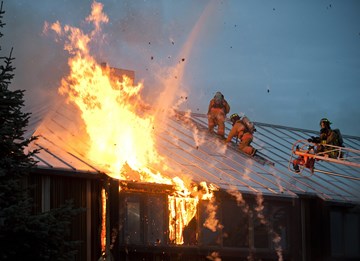
As a large fire has broken out across residential flats in West London, it is worth reiterating the importance of fire risk assessment for these types of buildings.
The Importance of Fire Risk Assessments in the Communal Areas of Flats
Communal areas — corridors, stairwells, lobbies, entrance halls, meter cupboards and shared storage spaces — are critical parts of a residential building’s fire-safety strategy. These are the routes residents rely on to escape and the areas firefighters depend on to access the building. A thorough fire risk assessment ensures these spaces remain safe, compliant, and fit for purpose.
Why Fire Risk Assessments Matter
1. They Are a Legal Requirement
Under the Regulatory Reform (Fire Safety) Order 2005, responsible persons must assess and manage fire risks in the common parts of residential buildings. Updated guidance from the Home Office confirms that this includes the building’s structure, external walls, and flat entrance doors.
The Fire Safety (England) Regulations 2022 introduced further duties, especially for buildings over 11m and high-rise blocks, including checks on fire doors, firefighting equipment, signage, and information sharing with fire and rescue services.
Failing to carry out a suitable and sufficient fire risk assessment can lead to enforcement action, prosecution, and significant financial penalties.
2. They Keep Escape Routes Safe
Communal areas must remain clear, protected, and smoke-free for as long as possible during a fire. Government guidance for small blocks of flats emphasises that responsible persons must ensure these areas are assessed and maintained to support safe evacuation.
A proper assessment identifies:
Obstructions in escape routes
Combustible items stored in corridors
Faulty or missing fire doors
Damaged compartmentation
Even small fires in communal areas can spread rapidly, endangering residents and blocking escape routes. London Fire Brigade data shows 281 fires in communal areas in 2022 alone, highlighting the ongoing risk.
3. They Reduce the Risk of Serious Incidents
Fire risk assessments help prevent the most common causes of fires in shared spaces, including:
Charging or storing e-bikes and scooters
Accumulation of rubbish or furniture
Faulty lighting or electrical installations
Arson risks in unsecured areas
The London Fire Brigade warns that even small fires in communal areas can cause major damage, mass displacement, and high financial costs for landlords and insurers.
4. They Protect Residents — Especially the Most Vulnerable
Communal areas are used by everyone, including children, elderly residents, and people with mobility issues. Updated government guidance for purpose-built flats stresses the need for responsible persons to identify risks specific to their building and occupants.
A good fire risk assessment ensures:
Escape routes are accessible
Fire doors close and latch properly
Signage is clear and visible
Lighting supports safe evacuation
5. They Support Firefighters During an Emergency
High-rise and multi-occupied buildings now require:
Floor plans
External wall information
Wayfinding signage
Checks on firefighting lifts and equipment
These measures, introduced through the Fire Safety (England) Regulations 2022, help firefighters navigate the building quickly and safely.
A fire risk assessment ensures these requirements are met and maintained.
6. They Protect Property and Reduce Costs
The economic impact of a communal-area fire can be severe. The average cost of a domestic fire in London was estimated at over £48,000 — and this figure is likely conservative when factoring in inflation, displacement, and repairs.
A proactive assessment reduces the likelihood of:
Major structural damage
Insurance claims and premium increases
Rehousing costs
Legal action from residents
7. They Demonstrate Professionalism and Compliance
For landlords, managing agents, and housing providers, a well-documented fire risk assessment shows:
Compliance with UK fire-safety law
Commitment to resident safety
Proper management of communal areas
A proactive approach to risk reduction
This is essential for reputation, accountability, and long-term building safety.
Conclusion
A fire risk assessment in the communal areas of flats is not just a legal obligation — it is a vital safeguard that protects lives, property, and the integrity of the building. With updated legislation and increasing risks such as e-bike fires, regular assessments are more important than ever.
Please email Whale Fire @ info@whalefire.co.uk or use our enquiry form here Contact Us - Whale Fire

Why reviewing your fire risk assessment annually is so important
Reviewing your fire risk assessment every year isn’t just a box-ticking exercise—it’s essential for keeping people safe, staying compliant with the law, and making sure your precautions actually work in real life.
First, things change more than people realise. The layout of a building might be altered, new equipment could be installed, or storage areas might gradually fill up with combustible materials. Even small changes—like rearranging furniture or adding electrical devices—can introduce new fire hazards or block escape routes. An annual review helps catch those risks before they turn into real problems.
Second, people change. Staff turnover means new employees may not be familiar with fire procedures, evacuation routes, or how to use equipment like extinguishers. A review ensures training is up to date and that everyone knows what to do in an emergency.
There’s also the legal side. In the UK, fire safety is governed by the Regulatory Reform (Fire Safety) Order 2005. This law requires the “responsible person” (like an employer or building owner) to keep the fire risk assessment up to date. While it doesn’t strictly say “every 12 months,” it does require reviews whenever necessary—and an annual review is widely accepted as good practice to demonstrate compliance.
Another key reason is that fire safety measures can degrade over time. Fire alarms, extinguishers, emergency lighting, and signage all need to be checked regularly. An annual review helps confirm everything is still in working order and positioned correctly.
Finally, it’s about being prepared. In an emergency, there’s no time to figure things out. A current, accurate fire risk assessment ensures evacuation plans are realistic, escape routes are clear, and risks have already been considered.
In short, an annual review keeps your fire safety measures aligned with reality—not just what was true a year ago. If you want, I can walk you through what should actually be checked during a review.
Please email Whale Fire at info@whalefire.co.uk or call us on 0800 772 0738