"Tinderbox" Britain: Why This Summer's Heatwave Is Turning Gardens and Outbuildings Into Fire Risks
Britain is in the grip of one of its driest, hottest summers in decades. With weeks stretching by in some areas without meaningful rainfall, and temperatures repeatedly climbing past 30°C, fire and rescue services across the country are issuing an unusually blunt warning: your back garden could be the next fire scene.
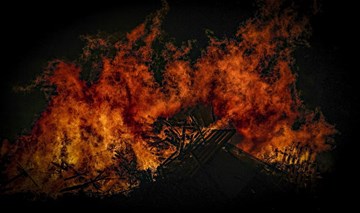
In recent days, fire crews in London have battled major blazes that tore through residential gardens, destroying sheds, fences, and outbuildings, and in at least one case gutting a house, after fire jumped from garden to garden in strong winds. Incident commanders have described the speed of the spread as extraordinary — flames moving through tinder-dry vegetation, timber sheds and garden waste far faster than crews could contain them, with gas cylinders in some gardens needing to be cooled for hours to prevent explosions.
It's a stark reminder that fire risk isn't confined to commercial premises, high-rise cladding, or industrial sites. This summer, it's arriving over the garden fence.
Why Gardens Are Burning So Easily
A combination of factors has turned ordinary back gardens into genuine fire hazards:
- Prolonged dry weather has left lawns, hedges, and shrubs dried out and highly combustible, while parched soil means plants offer little natural resistance to fire.
- Hosepipe bans in several regions mean gardens that would normally be kept damp are instead bone dry, removing one of the simplest natural firebreaks homeowners have.
- Strong winds have repeatedly been cited by fire services as the reason blazes have spread so rapidly from garden to garden, jumping fences and hedgerows within minutes.
- Outbuildings and sheds, often built from untreated timber and packed with paint, fuel, gas canisters, or gardening chemicals, act as ready fuel sources once fire reaches them.
- Compost heaps and garden waste piles, especially if left dry, can smoulder and ignite far more easily than most people realise.
None of these factors are exotic. They exist in ordinary gardens up and down the country — which is exactly why fire chiefs are urging households to take the threat seriously now, rather than after a fire has already taken hold.
What Fire Services Are Recommending
Following recent incidents, London Fire Brigade and other services have urged residents to create "firebreaks" around their homes and gardens. In practice, this means:
- Keeping grass cut short (ideally below around 7cm), since shorter, greener growth burns less readily than long, dry grass.
- Clearing dead leaves, especially from gutters and against fences or sheds, where they can act as kindling.
- Positioning sheds, wood piles, and garden furniture away from the house itself, so that if they do catch fire, they're not an immediate bridge to your property.
- Cutting back trees and shrubs that grow close to the house.
- Keeping compost heaps damp and away from buildings, and maintaining a sensible balance of "green" and "brown" material to reduce the risk of spontaneous combustion.
- Where hosepipe bans are in force, using water butts or greywater to keep vulnerable areas damp rather than letting them dry out completely.
Beyond the Garden: What This Means for Property Owners and Businesses
For homeowners, this is sound seasonal advice. But for landlords, property managers, and businesses with outdoor areas — gardens, yards, storage compounds, or outbuildings attached to commercial premises — this summer's conditions raise a more serious question: has your fire risk assessment actually considered external fire spread?
Many fire risk assessments focus heavily on the building itself: escape routes, alarm systems, compartmentation, fire doors. External fire risk — vegetation, waste storage, fuel and gas storage, the proximity of combustible outbuildings to occupied buildings — is sometimes treated as an afterthought, if it's considered at all. This summer is showing exactly why that gap matters. Fire doesn't need to start inside a building to threaten the people in it; it just needs a dry, combustible path to travel along.
If you're responsible for a property — whether that's a family home with a shed full of tools and paint tins, a rental property with an overgrown garden, or commercial premises with an outdoor storage yard — now is the time to walk the perimeter and ask some honest questions:
- Is there dry vegetation, waste, or combustible material close to the building?
- Are outbuildings positioned in a way that a fire in one could realistically spread to another, or to the main property?
- Are gas cylinders, fuel, or chemicals stored safely, away from potential ignition sources, and clear of anything that could burn readily around them?
- Would your escape routes and access for fire crews still work if the garden or yard itself were on fire?
Don't Wait for the Next Blaze
Extreme weather isn't going away, and this pattern — long dry spells followed by fast-moving, wind-driven fires — is one UK households and businesses are likely to see more of in years to come. A proper fire risk assessment doesn't just tick a compliance box; it identifies exactly these kinds of overlooked, seasonal risks before they turn into a call to the fire brigade.
If you're responsible for a property and you're not confident that external fire risks — gardens, outbuildings, storage areas — have been properly assessed, now is the time to get it checked, not after the next heatwave headline.
Whale Fire specialises in thorough, practical fire risk assessments that look at the whole picture — not just the building, but everything around it. Get in touch to make sure your property is protected before the next tinderbox summer Contact Us - Whale Fire