What Is Arson?
Arson is the criminal act of deliberately setting fire to property, land, or structures. From abandoned buildings to homes, vehicles, and woodland, arson is not a victimless crime — it is one of the most destructive and dangerous offences a person can commit. Every year, arson attacks cause deaths, injuries, widespread trauma, and billions of pounds in damage across the UK and worldwide.
Understanding the true cost of arson is an essential part of fire safety awareness. This article explores the immediate dangers arson poses, its long-term consequences for victims and communities, and the serious legal penalties those convicted face.
The Immediate Physical Dangers
Fire is one of the most unpredictable and rapidly escalating forces in nature. When a fire is set deliberately, its behaviour cannot be controlled — not even by the person who started it.
Loss of Life
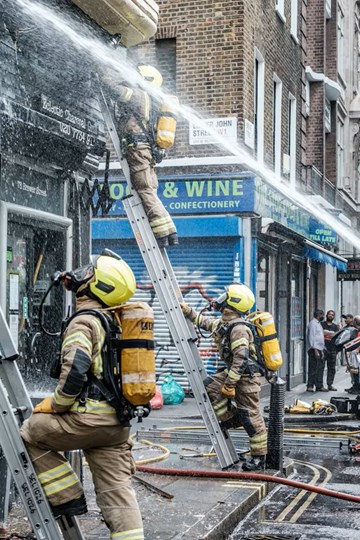
The most devastating consequence of arson is death. Fires spread faster than most people expect. Within minutes, a room can reach temperatures exceeding 600°C, and a building can become engulfed in flames before occupants have any chance to escape. Firefighters who respond to arson attacks are also placed in extreme danger, sometimes without any knowledge that the fire was set deliberately or that accelerants may have been used.
Severe Injuries
Even those who survive arson attacks can suffer life-altering injuries:
- Burns — ranging from superficial to full-thickness burns requiring skin grafts and years of treatment
- Smoke inhalation — the leading cause of fire deaths, toxic smoke can cause permanent lung damage within seconds
- Carbon monoxide poisoning — a silent killer that can incapacitate before a person is even aware of the fire
- Psychological trauma — survivors of arson often experience PTSD, anxiety, depression, and sleep disorders for years afterwards
Environmental Damage
Deliberately set wildfires and vegetation fires destroy ecosystems, kill wildlife, and release harmful pollutants into the atmosphere. Grassland and forest fires can spread across vast areas within hours, threatening rural communities, farms, and irreplaceable natural habitats.
The Impact on Victims and Communities
Homes and Businesses Destroyed
Losing a home to arson is a catastrophic experience. Beyond the financial loss, families are left without their belongings, their sense of security, and often their memories. Businesses destroyed by arson may never reopen, leading to job losses and long-term economic damage for entire communities.
Displacement and Homelessness
Arson attacks on residential properties can leave multiple families homeless overnight. While insurance may eventually cover some losses, the process can take months or years — leaving victims in temporary accommodation and facing enormous stress.
Community Fear and Distrust
A pattern of arson attacks in a neighbourhood creates a climate of fear. Communities become anxious, particularly at night or during dry, windy conditions. Local trust erodes, and the psychological wellbeing of residents — especially children — is significantly affected.
Strain on Emergency Services
Every deliberate fire draws resources away from genuine emergencies. Fire engines, ambulances, and police responding to arson attacks may be unavailable for other life-threatening incidents occurring at the same time. This hidden cost of arson is rarely spoken about, but it has real consequences for public safety.
The Legal Consequences of Arson
Arson is treated with the utmost seriousness by the law. In England and Wales, it is prosecuted under the Criminal Damage Act 1971.
Arson — Basic Offence
Deliberately or recklessly destroying or damaging property by fire carries a maximum sentence of life imprisonment if prosecuted on indictment. Even cases treated as less serious can result in substantial custodial sentences.
Arson With Intent to Endanger Life
Where the prosecution can prove the offender intended to endanger life, or was reckless as to whether lives would be endangered, the charge becomes more serious still. This offence also carries a maximum penalty of life imprisonment, and courts treat it very seriously — significant jail time is the norm, not the exception.
A Permanent Criminal Record
A conviction for arson leaves a permanent mark on a person's criminal record. This can affect:
- Employment prospects, particularly in roles involving trust, security, or working with vulnerable people
- Housing applications, as many landlords conduct background checks
- Travel to certain countries, including the United States, which restricts entry for those with criminal convictions
- Insurance premiums and financial services
Young Offenders
Arson is disturbingly common among young people, sometimes treated as opportunistic or a dare. However, the courts do not regard youth as a reason to avoid serious consequences. Young offenders convicted of arson can receive detention orders, and the long-term impact on their futures can be profound.
Common Misconceptions About Arson
"It's just an empty building." Empty buildings are not safe to burn. Firefighters don't know a building is empty. Neighbouring properties are at risk. People sleeping rough may be inside. And once a fire takes hold, it rarely stays contained.
"Insurance will cover it." If you deliberately set fire to your own property to make an insurance claim, this constitutes insurance fraud as well as arson — a serious criminal offence in its own right. Insurers investigate suspicious claims thoroughly, and fraudulent claims result in prosecution.
"I was just trying to scare them." Intention does not control the outcome of a fire. A fire set to intimidate can easily become fatal. The law takes into account the foreseeable risk, not just the intended result.
Reporting Suspected Arson
If you suspect a fire has been set deliberately, or if you have information about planned arson:
- Call 999 immediately if a fire is in progress or lives are at risk
- Contact Crimestoppers anonymously on 0800 555 111
- Report to your local police via 101 for non-emergency intelligence
Tip-offs from the public have led to many arson convictions. You do not need to give your name. Reporting suspected arson could save lives.
Conclusion
Arson is not a minor crime or a prank — it is a deeply dangerous act with potentially fatal consequences. It destroys homes, livelihoods, and lives. It traumatises communities and overwhelms emergency services. And for those convicted, it brings severe criminal penalties that can define the rest of their lives.
Fire safety begins with understanding and respect for the destructive power of fire. If you have concerns about fire risk in your area, or want to learn more about fire prevention, explore the resources available on this website or contact your local fire and rescue service.
This article is intended for public fire safety awareness. Legal information reflects the law in England and Wales and should not be taken as legal advice.
Please contact Whale Fire with your fire safety enquiries Contact Us - Whale Fire