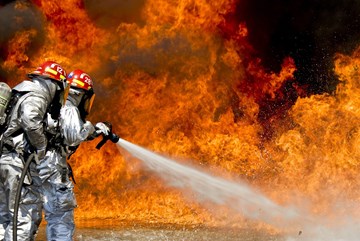
Industrial Fires: Causes, Risks, and How to Prevent Them
Industrial fires are among the most devastating incidents a business can face. They can cause catastrophic loss of life, destroy assets built over decades, and bring entire operations to a permanent halt. Yet the vast majority of industrial fires are preventable — with the right knowledge, culture, and systems in place.
This guide covers everything you need to know about industrial fires: why they start, the industries most at risk, and the essential precautions that save lives and protect businesses.
What Is an Industrial Fire?
An industrial fire is any fire that originates within a commercial, manufacturing, warehousing, or processing environment. Unlike domestic fires, industrial fires often involve large quantities of flammable materials, complex machinery, and hazardous substances — all of which can cause fires to spread rapidly and burn with extreme intensity.
The consequences extend beyond the immediate premises. Industrial fires can trigger explosions, release toxic gases into the surrounding community, and contaminate local land and water. The financial impact — including lost stock, equipment, and downtime — can run into tens of millions of pounds.
Common Causes of Industrial Fires
Understanding how industrial fires start is the first step in preventing them. The most frequent causes include:
Electrical Faults Faulty wiring, overloaded circuits, damaged equipment, and poorly maintained electrical systems are leading causes of industrial fires. Arc flashes and short circuits can ignite surrounding materials in seconds.
Hot Work Welding, cutting, grinding, and soldering all generate intense heat and sparks. When carried out near flammable materials — or without adequate precautions — hot work is a significant fire risk.
Flammable Liquids and Gases Many industrial processes involve solvents, fuels, oils, and gases that are highly flammable. Improper storage, leaks, and inadequate ventilation can create volatile conditions where a single ignition source causes disaster.
Dust and Particle Accumulation Fine particles from wood, grain, sugar, coal, and metals can form explosive clouds when suspended in the air. Dust explosions and fires have caused some of the most catastrophic industrial disasters in history.
Machinery and Equipment Failure Overheating motors, friction from worn components, and mechanical failures can all generate enough heat to start a fire — particularly when machinery is not properly maintained or serviced.
Arson Unfortunately, deliberate fire-setting is a significant cause of industrial fires, particularly in storage and warehousing facilities. Security measures play an important role in fire prevention.
Human Error Careless disposal of smoking materials, improper use of equipment, failure to follow safe working procedures, and inadequate training all contribute to preventable fires.
Industries at Highest Risk
While any industrial environment can experience a fire, certain sectors face elevated risk due to the nature of their operations:
- Manufacturing — particularly where flammable materials, chemicals, or heat-generating processes are involved
- Warehousing and logistics — large volumes of stored goods and limited visibility across the facility
- Oil, gas, and petrochemical — inherently volatile materials and high-pressure systems
- Woodworking and timber — sawdust accumulation and dry materials
- Food processing — organic dust and oils create significant fire and explosion risk
- Automotive and aerospace — paints, solvents, and fuel systems
- Waste and recycling — spontaneous combustion and mixed, unknown materials
The Legal Framework in the UK
In the United Kingdom, industrial fire safety is governed primarily by the Regulatory Reform (Fire Safety) Order 2005 (FSO). Under this legislation, the "responsible person" — typically the employer or building owner — must:
- Carry out a suitable and sufficient fire risk assessment
- Implement and maintain appropriate fire safety measures
- Ensure staff receive adequate fire safety training
- Maintain fire detection and warning systems
- Provide and maintain means of escape
- Keep records and review the assessment regularly
Failure to comply can result in enforcement notices, prohibition orders, unlimited fines, and even imprisonment.
The Health and Safety at Work Act 1974 and associated regulations also impose duties on employers to manage fire risk as part of their overall health and safety obligations.
Essential Fire Prevention Measures
Effective industrial fire prevention is built on several interconnected pillars:
1. Fire Risk Assessment
A thorough, site-specific fire risk assessment is the foundation of all fire safety. It identifies hazards, evaluates risks, and determines what control measures are needed. For complex industrial sites, this should be conducted — and reviewed — by a competent fire safety professional.
2. Housekeeping and Waste Management
Poor housekeeping is a major contributing factor in industrial fires. Waste materials, accumulated dust, and unnecessarily stored flammable substances all increase risk. Regular cleaning regimes, proper waste disposal, and strict control of combustible materials are essential.
3. Hot Work Permits
Any hot work on site should be controlled through a formal permit-to-work system. This ensures the area is properly prepared, risks are assessed, fire watch is maintained during and after work, and appropriate extinguishing equipment is on hand.
4. Electrical Safety
All electrical installations should be designed, installed, and maintained by qualified electricians. Regular Electrical Installation Condition Reports (EICRs) are essential. Portable appliances should be subject to regular PAT testing, and overloading of circuits must be avoided.
5. Storage of Flammable Materials
Flammable liquids and gases must be stored in designated, purpose-built areas — away from ignition sources, properly ventilated, and clearly marked with appropriate hazard signage. Quantities kept in the workplace should be kept to a minimum.
6. Fire Detection and Suppression Systems
Industrial premises require robust fire detection systems tailored to the specific hazards present. Depending on the risk profile, this may include:
- Smoke, heat, or flame detectors
- Aspirating smoke detection (ASD) for high-sensitivity environments
- Automatic sprinkler systems
- Gas suppression systems for server rooms and sensitive areas
- Foam or dry powder systems for flammable liquid risks
All systems must be regularly inspected, tested, and maintained by competent engineers.
7. Means of Escape
Clear, unobstructed escape routes and emergency exits are non-negotiable. Fire doors must be kept closed (never wedged open), exit routes must be well-lit with emergency lighting, and evacuation procedures must be clearly communicated and regularly practised.
8. Staff Training
Every member of staff should understand the site's fire safety procedures: how to raise the alarm, how to evacuate, and — where appropriate — how to use fire extinguishers safely. Regular fire drills are a legal requirement and a vital part of preparedness.
What to Do When a Fire Breaks Out
Despite the best precautions, fires can still occur. Having a clear Emergency Fire Action Plan ensures that, when they do, people respond quickly and correctly.
The key steps are:
- Raise the alarm immediately — activate the nearest call point and ensure the fire and rescue service is contacted (999)
- Evacuate the building — follow designated escape routes to the assembly point
- Do not use lifts
- Do not re-enter the building for any reason until the fire and rescue service declares it safe
- Account for all personnel at the assembly point
Only attempt to tackle a fire with an extinguisher if you have been trained to do so, the fire is small and contained, the exit is behind you, and you are not putting yourself at risk.
The Role of Fire Wardens
Trained fire wardens (also known as fire marshals) play a vital role in industrial fire safety. Their responsibilities include:
- Assisting with the safe evacuation of the premises
- Conducting sweeps to check all areas are clear
- Liaising with the fire and rescue service on arrival
- Reporting any persons unaccounted for
The number of fire wardens required depends on the size of the premises and the number of occupants. Your fire risk assessment should specify requirements.
Conclusion
Industrial fires cause devastating human and economic harm — but the overwhelming majority can be prevented. A robust, site-specific approach to fire safety, grounded in a thorough risk assessment and supported by trained staff, effective systems, and a strong safety culture, is the best protection any business can have.
If you need expert guidance on fire risk assessments, fire safety systems, or staff training for your industrial premises, get in touch with our team today.
Here is the link to our enquiry form Contact Us - Whale Fire or email us at info@whalefire.co.uk