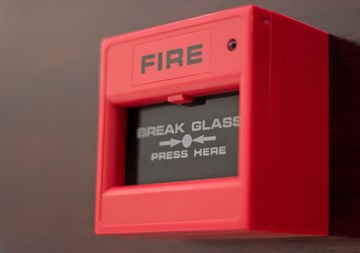
Fire risk assessments are a core part of keeping people safe in buildings and meeting legal responsibilities. Their importance comes down to a few key areas:
Protecting life
The main purpose is to identify potential fire hazards (like faulty electrics or flammable materials) and reduce the risk of a fire starting or spreading. This directly protects occupants by ensuring there are safe escape routes, alarms, and procedures in place.
Preventing fires and damage
By spotting risks early, measures can be taken to prevent fires altogether. This reduces the chance of injury, property damage, business disruption, and financial loss.
Legal compliance
In places like the UK, fire risk assessments are required under laws such as the Regulatory Reform (Fire Safety) Order 2005. Responsible persons (e.g. employers or landlords) must carry them out and keep them up to date, or face penalties.
Improving emergency preparedness
They ensure that fire detection systems, alarms, extinguishers, and evacuation plans are suitable and effective. This means people know what to do in an emergency, reducing panic and confusion.
Protecting businesses and continuity
A serious fire can shut down operations for weeks or permanently. Risk assessments help minimise disruption and support business continuity planning.
Raising awareness and responsibility
They encourage a culture of safety by making staff and occupants more aware of risks and their role in preventing fires.
In short, fire risk assessments are not just a paperwork exercise—they are a practical, ongoing process that saves lives, protects property, and ensures organisations operate safely and legally.